

save what matters from every book you read
- Tweets 8,682
- Following 345
- Followers 71,366
- Likes 7,029


Pinned Tweet

I'm officially introducing the BookNote app.
A place to save your reading insights and put them into action:

26
44
329
195,179
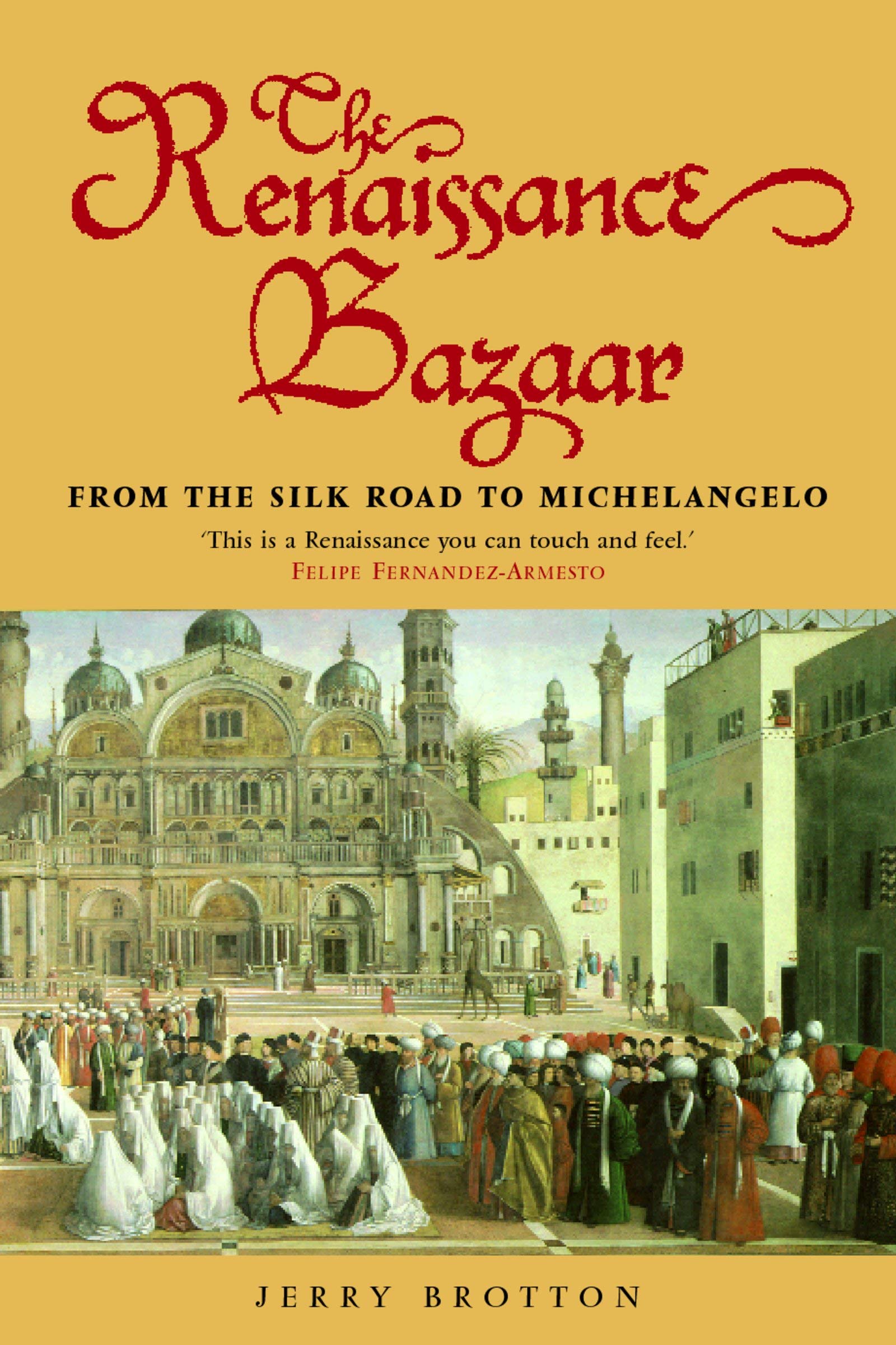
books to fall in love with the renaissance:
1) Leonardo da Vinci by Walter Isaacson
( leonardo's notebooks and inventions )

1
6
93
4,548



The Indians Didn’t Just Disappear
The common claim that Native Americans were nearly wiped out by European diseases is overstated. Archaeologists have found few mass graves matching the scale of the claimed catastrophe. Genetic studies that show population drops are often limited to specific regions or even single towns and harbors. At that small scale, the reduction in local DNA diversity can just as easily come from people moving away — driven by other Native groups, colonial pressure, or flight — as from mass death. Inter-tribal displacement was common long before Europeans arrived; the Iroquois pushed Algonquian peoples west, and similar movements happened across the continent.
Genetic evidence from modern populations tells a different story. Most people of Hispanic background in Mexico, Peru, and much of Latin America carry substantial Native American DNA — often 50% or more. This means large numbers of Indigenous people survived and mixed with Spanish colonists. Their descendants form today’s Hispanic populations. The genes did not vanish; they continued through intermarriage and cultural assimilation.
In short, Native populations declined in many places, but the extreme continent-wide die-off narrative does not hold up. People moved, tribes displaced each other, and large numbers were absorbed into the new Spanish colonial societies. The high levels of Native DNA in modern Hispanics are direct evidence that many Indigenous lineages continued rather than simply ending.

1
3
150


Can you please visualise the following book?
The Dawn of Everything: A New History of Humanity by David Graeber and David Wengrow
1
2
240

I read each and every single line of this book. This is a very weak book. Totally illogical and theoretical.
1
372

