

The world's largest gathering of free minds. Join us July 21-24, 2027 in Las Vegas, NV! 👇🏼 Now streaming at @CiVLdotcom
Caesars Forum Las Vegas
- Tweets 5,001
- Following 1,471
- Followers 7,553
- Likes 2,524


What does “adultism” mean—and why is it being taught in schools?
@marissastreit, CEO of @prageru, points to a chapter on “Adultism” in Lessons in Liberation, which she says is part of California’s ethnic studies curriculum.


1
113


What made UFC fighter @moicanoufc embrace libertarian ideas?
Growing up in Brazil, Moicano was influenced by his father, a hardcore communist, who believed helping people meant supporting the political left.
But as Moicano saw the inequality around him, his views began to change. He came to believe that the problem wasn’t capitalism or the free market—it was government taking money while claiming to help people.
His conclusion: “The free market is the solution.”
For Moicano, a good government isn’t no government—it’s the smallest possible government that doesn’t interfere in your life, your money, or your education.

1
134
What exactly are students being taught in the name of “ethnic studies”?
@marissastreit, CEO of @prageru, takes issue with how the term “adultism” is presented in a California ethnic studies curriculum, arguing that it can frame parental guidance and boundaries as oppressive behavior.
Her bigger question: What values are being taught in the classroom—and who gets to decide?

2
9
12,987
How do you spend billions on homelessness and end up with more homeless people?
@adamcarolla questions where the money actually goes—and whether we can still trust charities to deliver funds to the people they’re meant to help.


2
3
6
203


What happens when the system meant to protect children creates incentives to take them away from their parents?
@RealSpikeCohen discusses how federal funding can incentivize states to place children in foster care, particularly when children have chronic health conditions.
He also shares the story of Ridge Collins, a child who was taken from his parents after birth—and the fight that ultimately led to his reunification and new due process protections in Georgia.
When it comes to children and families, due process matters.


1
4
21
1,377


How do you spend billions on homelessness and end up with more homeless people?
@adamcarolla questions where the money actually goes—and whether we can still trust charities to deliver funds to the people they’re meant to help.
His bigger question: Is charity becoming another form of fraud?
What do you think?

3
191


1/2 Has socialism really never been tried?
@glennbeck points to examples throughout American history—including New Harmony and Jamestown—and argues that attempts at socialism repeatedly ran into the same problem:
Human nature.


1
1
4
174


What made UFC fighter @moicanoufc embrace libertarian ideas?
Growing up in Brazil, Moicano was influenced by his father, a hardcore communist, who believed the solution to inequality was more government.
But over time, Moicano began to see the problem differently.
He came to believe that government can take money while claiming to help people—and that the real solution isn’t less capitalism, but more freedom and free markets.
His view is simple: a good government should protect people without interfering in their lives, their money, or their education.
A fascinating conversation with @MattKibbe about how Moicano’s political views evolved.


2
3
4
369


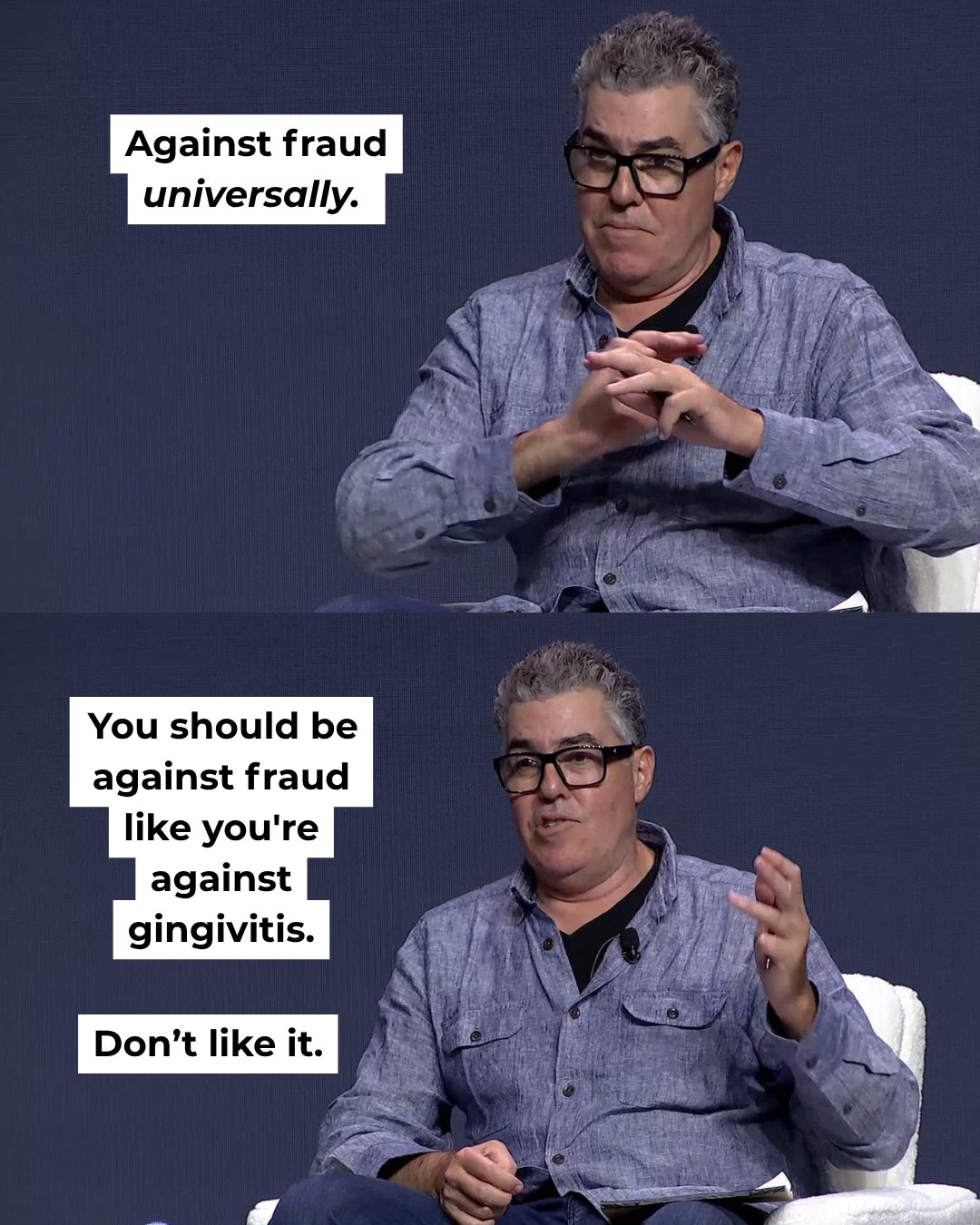
Fraud shouldn’t be a partisan issue.
In this conversation, @adamcarolla and @nickshirleyy discuss why fraud should be opposed universally, regardless of political party or ideology.
Shirley argues that his viral investigation did more than expose the alleged fraudsters—it also exposed the politicians he believes were supporting them.
And as Carolla points out, the fact that Shirley was being attacked raised an even bigger question: why were people so determined to stop the investigation?
Should fighting fraud be one of the few things everyone can agree on?



9
274
What happens when exposing alleged fraud could become a crime?
In a conversation with @adamcarolla, @nickshirleyy breaks down California’s proposed “Stop Nick Shirley Act” (AB 2624) and why he believes it was created in response to his investigations.
Shirley argues the bill could penalize people for filming and publishing information about immigration support service providers—and says the timing is no coincidence.
He also points to Assemblywoman Mia Bonta and her husband, California Attorney General Rob Bonta, alleging a connection between the legislation and his reporting.
Where should the line be drawn between protecting organizations and protecting the public’s right to investigate and report?

1
4
186
How libertarian is Sen. @RandPaul?
@MarkSkousen1 calls him “the most libertarian senator in the country.”
Paul’s response?
“It’s a low bar. But yes, I’m proud of that label.”
For Paul, the principle is simple: less government means more liberty.
As he puts it, “the least amount of government, but the most amount of liberty.”
And when it comes to taxation, he takes it even further: the closer we can get to being 100% free, the better.
Do you agree?


1
6
162