

Sharing Jewish contributions & stories | Non Jewish woman | ✡️ Ally | My #: #SharingJewishVoices 👈🏻 | No antisemitism tolerated | 💙 | I block | Native 212 🍎
New York, NY
- Tweets 43,936
- Following 15,680
- Followers 32,078
- Likes 52,694


Pinned Tweet

First, it’s been a privilege having this account for 2 months, collaborating with like-minded individuals, and even engaging in conversations with those who harbor hateful views. It’s allowed me to gain a deeper understanding of the challenges we face in addressing these beliefs and has reinforced my commitment to standing against them.
‼️ What I have learned two months into creating this account:
As people reach a certain age, they often take stock of their lives and realize they haven’t achieved everything they once dreamed of. For many, the first source of frustration is their professional life. They might feel stuck in a dead-end job, bitter that they didn’t get the promotion they thought they deserved, or angry at their manager for not recognizing their potential. They see colleagues surpassing them, younger professionals rising faster, and they start blaming the system, their industry, or even society for holding them back. Instead of reflecting on their own decisions—whether it’s failing to grow their skills, missing networking opportunities, or being too complacent—they look for someone else to blame.
Others turn to their personal lives and feel the same disappointment. Maybe they’re on their first or second divorce, or they’ve never even found someone to love and marry. Perhaps their children don’t respect them or even see them as failures. This sense of regret and loss builds up, leaving them bitter about their circumstances and desperate for an outlet for their frustration.
That’s when the internet steps in, offering toxic echo chambers and conspiracies to validate their bitterness. It’s easier to join the chorus of voices blaming Jewish people for their own failures. The narrative is always the same: Jewish people are accused of controlling everything—banks, media, industries—robbing others of opportunities. What these individuals fail to grasp is the stark contrast between their own mindset and the resilience that defines the Jewish community.
Despite facing consistent persecution for thousands of years—including the unimaginable horrors of the Holocaust—Jewish people have consistently risen to the top. Why? Because of values deeply rooted in community, education, family, cultural traditions, and resilience. Their parents prioritize academic excellence, their families emphasize togetherness, and their communities teach perseverance. These are the traits that have allowed Jewish people to not just survive, but thrive, in the face of unimaginable adversity.
And yet, these bitter individuals, who may have faced only a fraction of the challenges, can’t rise above their own disappointments. That’s the difference in mentality. Instead of learning from Jewish resilience—befriending, listening to, and understanding their success—they choose to hate. Why? Because learning and self-improvement are hard work, and with hard work comes the risk of failure. It’s easier to sit in their misery, sharing hateful memes and blaming others, than to take accountability and make a change.
Perhaps they feel alone and have found an echo chamber of others who feel the same way, hating on Jewish people. But what they don’t realize is that this mindset isn’t moving them forward. Many of the accounts they follow are propaganda-driven, designed to fuel their hate rather than offer real solutions. And when the truth eventually comes to light—as it always does—they’ll feel even more regretful and defeated.
Where have we gone as a society, that we look at successful people and want to tear them down instead of learning from them? When did being Jewish become a reason for someone’s resentment, rather than a source of inspiration for how perseverance, community, and values lead to success?
116
96
644
116,848

TheJewishAlly retweeted

We now are learning that suspected Chinese Spy Fang Fang & her family donated over $4 Million dollars to Swalwell, Ro Khanna, Kamala Harris & Gavin Newsom.
Fang Fang’s Brother is a Senior Advisor for Khanna.

277
5,104
9,246
188,294
I can’t keep up…. Everyone is using everyone here…
Seems like voting red is voting against Hamas, socialism and fraud.

SCOOP:
Abdul El-Sayed Quietly Headlines Fundraiser Alongside Hamas-Loving Activist Who Urged Jews ‘Back to Poland’
El-Sayed, after campaigning with Kamala, went to Dearborn for a fundraiser with Hamas supporters who call Kamala a “genocidal warmonger.”
freebeacon.com/democrats/abd…
2
5
394


*Heavy Security:* Soldiers have been stationed to guard the Jewish community of Antwerp.
*𝗜𝗦𝗥𝗔𝗘𝗟 𝗟𝗜𝗩𝗘 𝗡𝗘𝗪𝗦*

5
20
416
TheJewishAlly retweeted

“Palestinians have such a rich, beautiful culture.” -Ms. Rachel Griffin-Accurso


5
73
718
11,445

This is the cover of Life magazine, June 12, 1970.
At the time, Life was one of the most important publications in the world.
The photograph was taken decades before the Intifadas, before Netanyahu, and before Gaza as we know it today.
What was the excuse then for putting rifles in the hands of pre-pubescent children and training them to kill Jews?
What kind of movement does that to its own kids?
Some people would call it child abuse. It was more than that. It was a plan: a deliberate, generational project to pour Jew-hatred into children while they were still young enough to absorb it as truth. To make it visceral. To make it feel like belonging.
You can find similar photos and videos today of children even younger than these “Tiger Cubs,” still being trained the same way.
Some of them are almost certainly the children and grandchildren of the boys on that cover.
This is what intergenerational hate looks like.
This is how a society produces generation after generation with Jew-hatred running through their veins.
It was taught early. It was indoctrinated as soon as Israel was reestablished as the indigenous Jewish homeland.
.
That is part of how October 7 became possible.
When Jews have been dehumanized from childhood, young men can rape, behead, torture, and murder civilians and still believe they are doing something righteous.
We all want peace. We all want a life that is livable for Israelis and Palestinians. None of this is good. It is painful.
But if the people who never stop condemning Israel will not look at what we are actually facing — how old this is, how deep it was planted, how deliberately it was passed from parent to child — it is hard to see how this ends well.
You cannot heal what you refuse to name.
Image h/t. Bruce Teitelbaum

161
1,777
4,137
138,697
TheJewishAlly retweeted

There were actually 77 nations that walked out as Prime Minister Benjamin Netanyahu took to the podium.
The 2 nations that were not in Ryan’s original image and list that walked out are:
Suriname 🇸🇷
Belize 🇧🇿
Here is the updated image and list.
1. Afghanistan 🇦🇫
2. Algeria 🇩🇿
3. Angola 🇦🇴
4. Antigua and Barbuda 🇦🇬
5. The Bahamas 🇧🇸
6. Bangladesh 🇧🇩
7. Barbados 🇧🇧
8. Belize 🇧🇿
9. Bolivia 🇧🇴
10. Bosnia and Herzegovina 🇧🇦
11. Botswana 🇧🇼
12. Brazil 🇧🇷
13. Brunei Darussalam 🇧🇳
14. Central African Republic 🇨🇫
15. Chad 🇹🇩
16. Chile 🇨🇱
17. Colombia 🇨🇴
18. Comoros 🇰🇲
19. Cuba 🇨🇺
20. Democratic Republic of the Congo 🇨🇩
21. Djibouti 🇩🇯
22. Dominica 🇩🇲
23. Egypt 🇪🇬
24. Equatorial Guinea 🇬🇶
25. Eritrea 🇪🇷
26. Eswatini 🇸🇿
27. Guyana 🇬🇾
28. Indonesia 🇮🇩
29. Iran 🇮🇷
30. Iraq 🇮🇶
31. Ireland 🇮🇪
32. Jordan 🇯🇴
33. Kenya 🇰🇪
34. Kuwait 🇰🇼
35. Kyrgyzstan 🇰🇬
36. Lebanon 🇱🇧
37. Lesotho 🇱🇸
38. Liberia 🇱🇷
39. Libya 🇱🇾
40. Madagascar 🇲🇬
41. Malaysia 🇲🇾
42. Maldives 🇲🇻
43. Mauritania 🇲🇷
44. Mozambique 🇲🇿
45. Myanmar 🇲🇲
46. Namibia 🇳🇦
47. Nicaragua 🇳🇮
48. Niger 🇳🇪
49. North Korea 🇰🇵
50. North Macedonia 🇲🇰
51. Oman 🇴🇲
52. Pakistan 🇵🇰
53. Palestine 🇵🇸
54. Panama 🇵🇦
55. Peru 🇵🇪
56. Qatar 🇶🇦
57. Republic of the Congo 🇨🇬
58. Saint Lucia 🇱🇨
59. San Marino 🇸🇲
60. Saudi Arabia 🇸🇦
61. Senegal 🇸🇳
62. Slovenia 🇸🇮
63. Somalia 🇸🇴
64. South Africa 🇿🇦
65. Spain 🇪🇸
66. Sudan 🇸🇩
67. Suriname 🇸🇷
68. Syria 🇸🇾
69. Tonga 🇹🇴
70. Tunisia 🇹🇳
71. Türkiye 🇹🇷
72. Turkmenistan 🇹🇲
73. Tuvalu 🇹🇻
74. Uganda 🇺🇬
75. Uzbekistan 🇺🇿
76. Venezuela 🇻🇪
77. Yemen 🇾🇪


The list of 75 Countries that WALKED OUT before Netanyahu's United Nations Speech
If i missed any please comment them below
1. Afghanistan 🇦🇫
2. Algeria 🇩🇿
3. Angola 🇦🇴
4. Antigua and Barbuda 🇦🇬
5. The Bahamas 🇧🇸
6. Bangladesh 🇧🇩
7. Barbados 🇧🇧
8. Bolivia 🇧🇴
9. Bosnia and Herzegovina 🇧🇦
10. Botswana 🇧🇼
11. Brazil 🇧🇷
12. Brunei Darussalam 🇧🇳
13. Central African Republic 🇨🇫
14. Chad 🇹🇩
15. Chile 🇨🇱
16. Colombia 🇨🇴
17. Comoros 🇰🇲
18. Cuba 🇨🇺
19. Democratic Republic of the Congo 🇨🇩
20. Djibouti 🇩🇯
21. Dominica 🇩🇲
22. Egypt 🇪🇬
23. Equatorial Guinea 🇬🇶
24. Eritrea 🇪🇷
25. Eswatini 🇸🇿
26. Guyana 🇬🇾
27. Indonesia 🇮🇩
28. Iran
29. Iraq 🇮🇶
30. Ireland 🇮🇪
31. Jordan 🇯🇴
32. Kenya 🇰🇪
33. Kuwait 🇰🇼
34. Kyrgyzstan 🇰🇬
35. Lebanon 🇱🇧
36. Lesotho 🇱🇸
37. Liberia 🇱🇷
38. Libya 🇱🇾
39. Madagascar 🇲🇬
40. Malaysia 🇲🇾
41. Maldives 🇲🇻
42. Mauritania 🇲🇷
43. Mozambique 🇲🇿
44. Myanmar 🇲🇲
45. Namibia 🇳🇦
46. Nicaragua 🇳🇮
47. Niger 🇳🇪
48. North Korea 🇰🇵
49. North Macedonia 🇲🇰
50. Oman 🇴🇲
51. Pakistan 🇵🇰
52. Palestine 🇵🇸
53. Panama 🇵🇦
54. Peru 🇵🇪
55. Qatar 🇶🇦
56. Republic of the Congo 🇨🇬
57. Saint Lucia 🇱🇨
58. San Marino 🇸🇲
59. Saudi Arabia 🇸🇦
60. Senegal 🇸🇳
61. Slovenia 🇸🇮
62. Somalia 🇸🇴
63. South Africa 🇿🇦
64. Spain 🇪🇸
65. Sudan 🇸🇩
66. Syria 🇸🇾
67. Tonga 🇹🇴
68. Tunisia 🇹🇳
69. Türkiye 🇹🇷
70. Turkmenistan 🇹🇲
71. Tuvalu 🇹🇻
72. Uganda 🇺🇬
73. Uzbekistan 🇺🇿
74. Venezuela 🇻🇪
75. Yemen 🇾🇪

236
63
197
17,924
TheJewishAlly retweeted

Muslims have finally cracked the code to power. They realized Islam still doesn’t sell well, but socialism appeals to the young.
So socialism has became the Trojan horse to power.
Wow. Someone is finally saying it.

587
15,357
39,614
501,993
Temple Emanu-El on Fifth Avenue, on Manhattan’s Upper East Side, is an iconic and monumental house of worship and the first Reform Jewish congregation in New York City.
How sad that it now needs massive stone barriers outside to protect worshippers from cars and trucks being used as weapons.
Not my New York.
Month 9 of Mamdani.
📸 @TheJewishAlly


4
8
29
776
 Behind the Narrative
TheJewishAlly retweeted

Why Are Jews Hated for Succeeding? | Tinashe Peter piped.video/shorts/GfwdFqCOT… via @YouTube
1
1
187
Paris, France | September 24, 2026
Julia Wallach, who survived Auschwitz and the Nazi death marches, has passed away at 101. France’s representative council of Jewish institutions, CRIF, announced her death Thursday.
Born in Paris to Polish Jewish parents, Julia lost her mother after her arrest during the 1942 Vél d’Hiv roundup. Neighbors later betrayed Julia and her father. Deported to Auschwitz shortly after turning 18, she endured forced labor, typhus and the death marches before escaping in April 1945. Neither parent survived.
Returning to Paris, Julia reclaimed her childhood apartment, married fellow survivor Marcel Wallach and raised two children. The home from which she had been taken became a gathering place for Jewish holidays, grandchildren and shared meals.
Her granddaughter, filmmaker Frankie Wallach, called her “my muse, my example,” describing how she still smiled and danced despite everything she had endured. Frankie began filming Julia because she feared her own children might never meet the grandmother she loved.
Julia lived with losses no family could replace, yet gave her descendants so much to cherish. Her voice now joins those we can no longer hear firsthand. Preserving her testimony and confronting the antisemitism that devastated her family is a responsibility we inherit.
May Julia’s memory be a blessing. 🕯️
Never again US

14
23
129
1,428
This is obviously paid and manufactured- everyone’s wearing the exact same shirt and they all have the same signs
This is not a grassroots protest.
Wake up New York, vote wisely in November and stop this


7
8
30
808
TheJewishAlly retweeted

Years of planning. Thousands of devices. One operation hidden in plain sight.
Paging Hezbollah - in theaters October 30.

160
1,088
7,017
1,139,315
A UNGA moment captured
*Danny Danon:* The Iranian representative didn't want the starlink 😂
Israel live news
@dannydanon

4
6
24
639

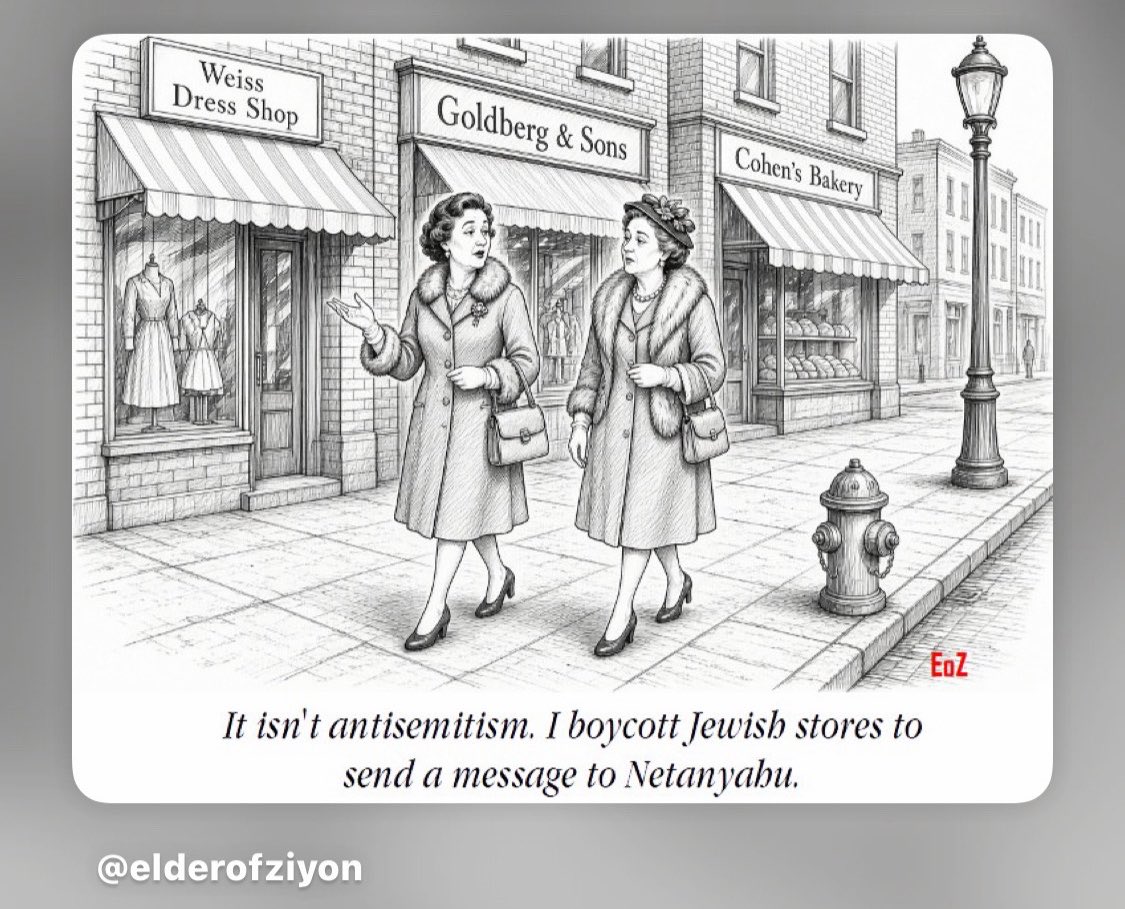
RT @kylieoralobell: A woman wearing an “Israel Kills Children” shirt stood outside of our kosher bakery here in Pico-Robertson today. Jewis…
1,116
117
TheJewishAlly retweeted

Update: The man who chased a Jewish student, screaming "Heil Hitler” and threatening him by saying, “Now I know where you live” and stabbing a bicycle outside of his home has now been apprehended.


Knife-wielding man chases a yeshivah in Crown Heights, shouting "Heil F*cking Hitler."
As the student runs into his home, the many shouts "Now I know where you live."

246
751
4,138
240,184